Glass Types for Wooden Windows — Double Glazing, Triple Glazing, Low-E, and Everything You Need to Know
Choosing the right type of glass for wooden windows is, without exaggeration, one of the most important decisions in building or renovating a home. At SM Wood Prodcom we have known this since 1997, when we began producing laminated wooden joinery in Florești, Cluj. Over the years we have installed hundreds of glazing combinations in new homes, renovations and even the restoration of two historic theatres in Paris, and we have seen how each choice
turns out. So instead of a vague answer, we offer the complete guide: which types of glass exist, what the real differences are, and what we concretely recommend for your situation.

Types of Glass for Wooden Windows ? Double-Pane, Triple-Pane, Low-E
Decorative etched glass patterns

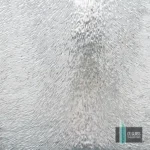
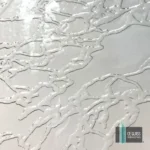
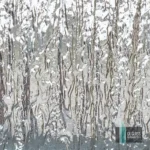
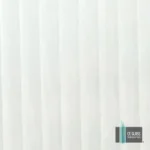
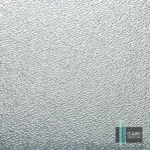
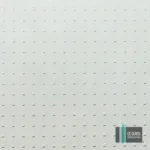
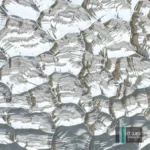
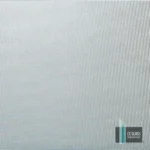
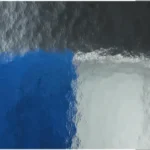
Patterns available on request via our partner CE Glass
|
Choosing the right types of glass for European wooden windows — also marketed as wooden windows in UK and Ireland — is, without exaggeration, one of the most important decisions when building or renovating a home. At SM Wood Prodcom, we have known this since 1997 - when we first began processing laminated wood in Floresti, Cluj. Over the years, we have installed hundreds of glazing combinations in new builds, renovations, and even for the restoration of two historic theatres in Paris. We have seen the long-term results of every choice. |
Therefore, instead of a vague answer, we offer you this complete guide: what types of glass exist, what the real differences are, and what we in particular recommend based on your situation. |
|
Types of glass available for laminated wooden windows |
The glazing market has changed dramatically over the last 15-20 years. Today, you have much more efficient options and - surprisingly - they are not necessarily much more expensive when you consider long-term energy savings. Here is what we currently work with: |
|
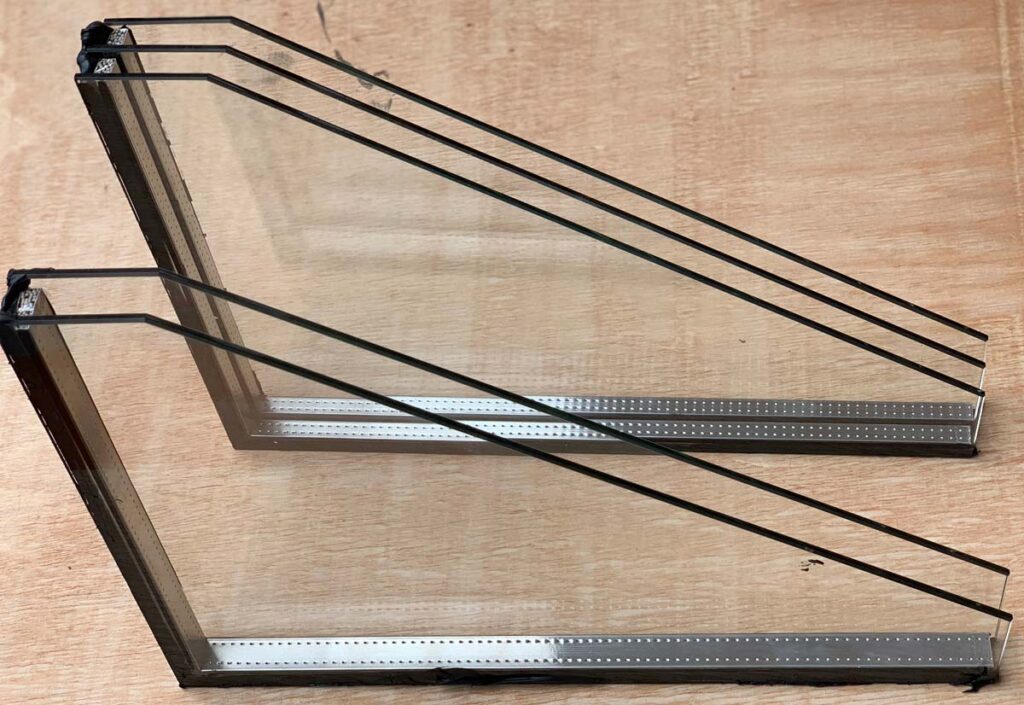
Triple glazing — Ug ≤ 0.7 W/m²K |
Maximum insulation, recommended for passive houses, mountainous areas, or northern Romania |
|
Low-E with argon fill |
Reduces heat loss by up to 70%; invisible layer of metal oxide applied to the glass |
|
Low-E with krypton gas |
Better performance than argon at the same package thickness — for slim profiles |
|
Vacuum glass — Ug ≤ 0.2 W/m²K |
The most efficient glazing available today: thin, lightweight, extremely efficient |
|
Acoustic glass (asymmetrical laminated) |
35–42 dB Rw attenuation; advanced versions with acoustic PVB reach 46 dB |
|
Decorative / sandblasted glass |
Aesthetic design, protects privacy — ideal for bathrooms, walk-in closets, hallways |
|
P4A / P6B burglar-resistant glass |
Can be fitted with burglar-resistant glass for entry doors and ground-floor windows |
|
Reflective / tinted glass |
Controls overheating in summer — recommended for south- or southwest-facing facades |
SM Wood Prodcom Tip:
For the IV78 and IV92 series, we can install glazing up to 52 mm thick.
If you want maximum performance, combine triple glazing glass with argon and a Low-E coating on the third surface of the unit—this is the configuration we recommend to architects for passive houses.
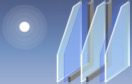
Acoustic glass—when it’s worth it and how much noise it reduces
If you live near a busy street, a railroad track, or in the centre of a city with heavy traffic, acoustic glass can transform the comfort of your home. Standard acoustic glazing reduces noise by 35–42 dB Rw. Versions with asymmetrical laminated glass—different sheet thicknesses plus acoustic PVB—reach 46 dB, meaning that 75 dB of traffic outside becomes a background noise of approximately 29–33 dB inside. At the same time, acoustic glass can be easily combined with double glazing or triple glazing thermal insulation.
Other types of glass available
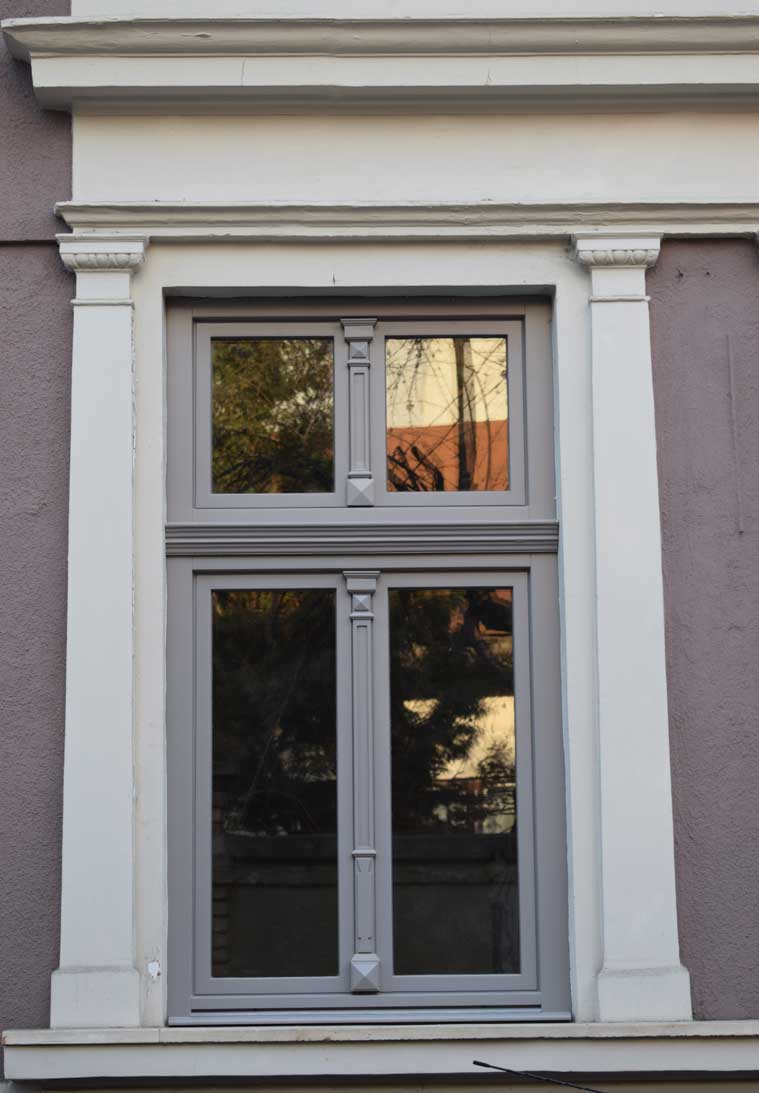
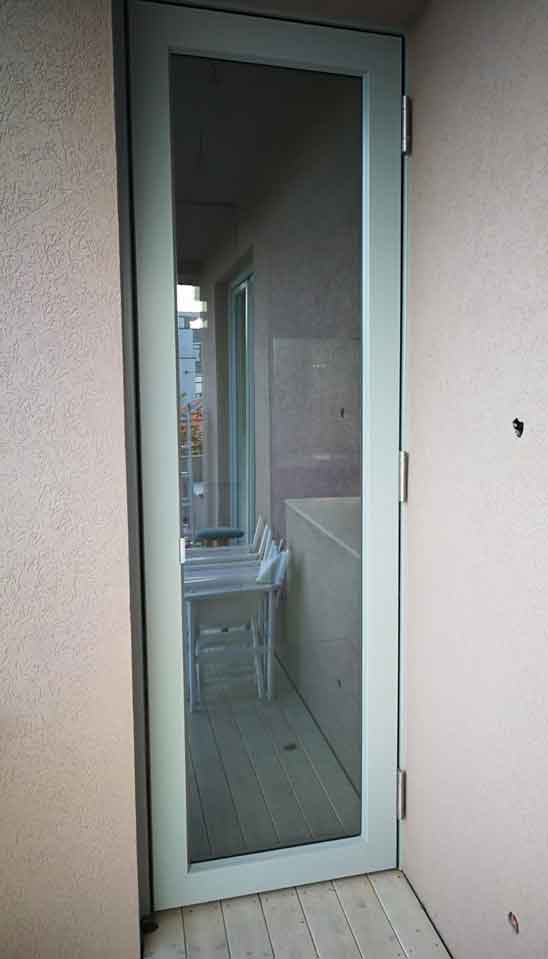
Frequently Asked Questions About Glass for Wooden Windows
Other available glass types
Frequently Asked Questions about glass for wooden windows
What is the real difference between double and triple glazing?
Double glazing (2 panes) has a Ug coefficient <= 1.1 W/m²K and is suitable for temperate climates. Triple glazing (3 panes) has a Ug <= 0.7 W/m²K and reduces heat loss. The difference is most noticeable in winter, reflected in heating bills and thermal comfort.
What Ug value do you recommend for a new house in Cluj?
We recommend at least triple glazing with Low-E and argon – Ug ≤ 0.7 W/m²K. This exceeds the nZEB requirement (Uw ≤ 1.0 W/m²K) and ensures excellent long-term thermal comfort. The additional investment over double glazing is quickly recovered through energy savings.
Q3: Why does condensation appear on the exterior of the triple glazing in the morning?
This is a sign of extreme efficiency, not a defect. Triple glazing insulates so well that the exterior glass pane remains cold, not being heated by the warmth from inside the house. When external humidity is high, it condenses on the cold surface of the glass, just like on a car body, disappearing as soon as the air temperature rises.
Q4: What does "warm edge" spacer mean in a glass unit?
A warm edge spacer replaces the traditional aluminium spacer between the glazing with one made of thermoplastic composite material. This reduces the thermal bridge at the edge of the glass, increasing the temperature on the inner contour of the window by up to 4-6°C and eliminating the risk of condensation and mold appearing at the joint between the glass and the wood.
Request a custom quote from SM Wood Prodcom
Bespoke laminated wooden windows and doors since 1997 · Floresti, Cluj
Phone / WhatsApp | Email | www.smwoodprodcom.ro
P4A or P6B security glass - mandatory for high-quality entrance doors, also recommended for ground floor or basement windows.
Reflective or tinted glass - for south or south-west facing facades where summer overheating is a real issue.
Digital print glass or stained glass - for windows that become a decorative element, available in any graphic motif.