Spruce Wooden windows – Thermal Conductivity 0.11 W/m·K
Spruce (Picea abies) is one of our primary stock species, with the best thermal coefficient in our range at λ 0.11 W/m·K. It is the reference species for nZEB and PHPP calculations, supporting low frame U-values. In Romanian joinery the popular term “fir windows” almost always refers to spruce; if you were searching for fir, you have come to the right page.
Density 405 kg/m³
Lightweight
λ 0.11 W/m·K
Best thermal performance
Janka 1,680 N
Moderate hardness
Performance in Windows
Spruce is the thermal benchmark of our entire range – light, precise, and very well suited to nZEB requirements.
1
Thermal
λ 0.11 W/m·K – the best in our range. A spruce frame can contribute to a low frame Uf; exact compliance with nZEB and PHPP requirements is verified for the complete window configuration. Full thermal data is supplied on request.
2
Processing
Spruce machines efficiently on our CNC lines. Its uniform fibre, low hardness, and Class I wood quality keep production fast and precise – the reason it ties with Nordic pine for the shortest lead time in our range.
3
Finish
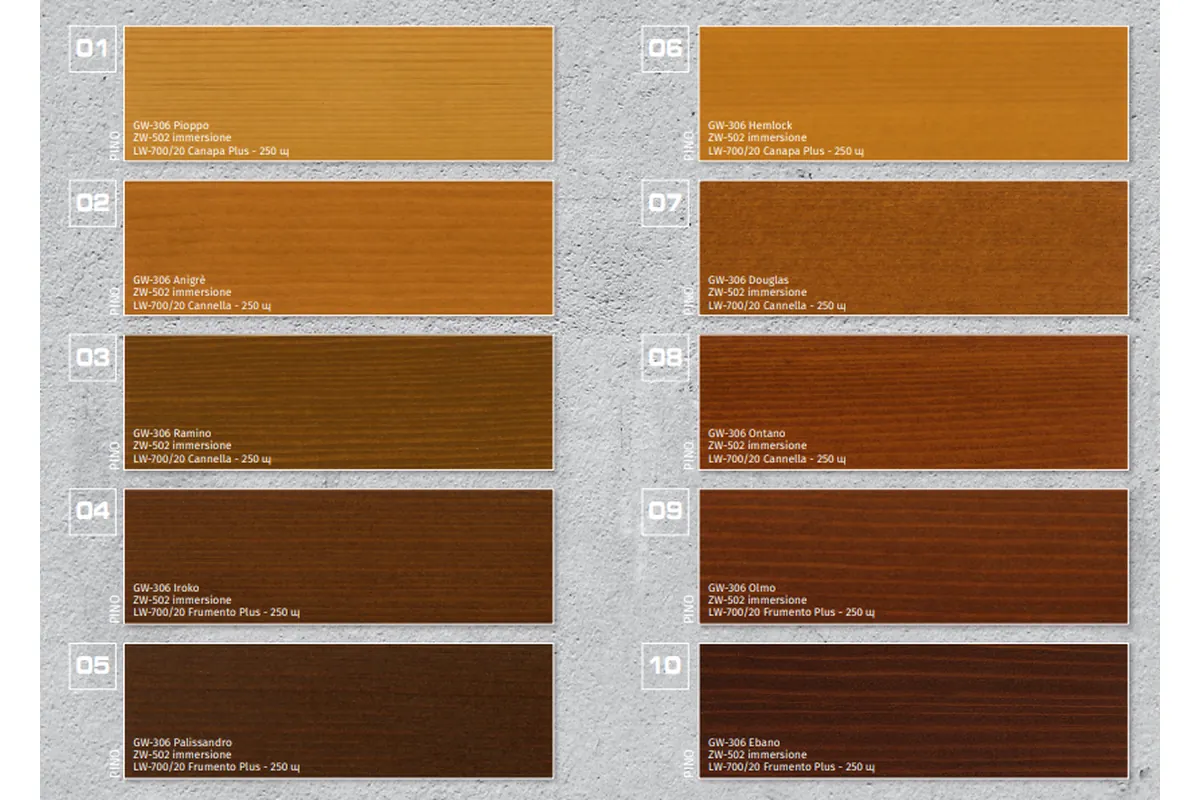
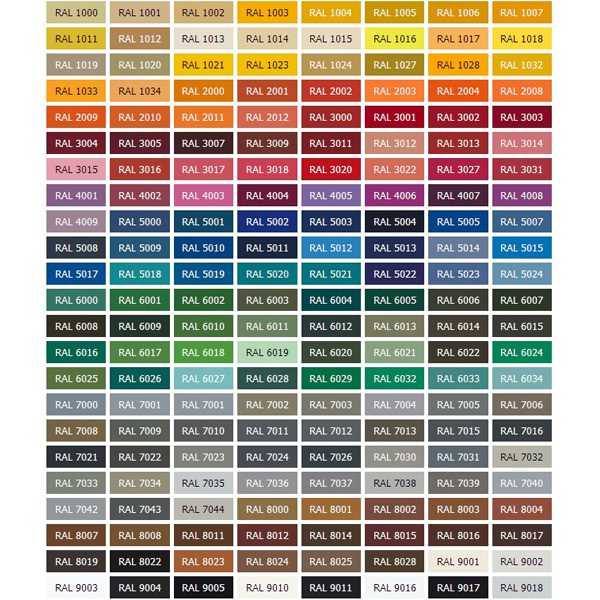
Spruce takes RAL/NCS opaque paints and translucent stains equally well. Its natural off‑white colour is neutral, giving uniform coverage without extra primer. Under a clear stain the grain is subtle – elegant but not dramatic.
Long‑term Performance
With a factory finish, spruce’s low natural durability is fully compensated – the key is disciplined maintenance.
Natural Durability
Class 4 – untreated spruce degrades within 5‑10 years. A 3‑4 layer Remmers factory finish completely transforms this, sealing the fibre against water and UV for decades.
Dimensional Stability
Radial shrinkage is only 3.9%, and the characteristic spiral grain distributes stresses evenly. Multi‑layer lamination significantly reduces the risk of warping or twisting and improves dimensional stability.
Maintenance
A cleaning and re‑coating every 7‑10 years is all that is needed. With this simple routine, a spruce window can serve structurally for decades.
Only Class I joinery‑grade spruce is used – free of large knots and resin pockets. The wood is not construction‑grade, ensuring a clean finish and predictable long‑term behaviour.
Advantages of Spruce
Advantages
Disadvantages
Comparison with Other Essences
Where spruce stands among our core softwood and hardwood options.
Spruce vs Nordic Pine
Both are in permanent stock at the same cost. Spruce wins thermally (λ 0.11 vs 0.13); Nordic pine has better moisture resistance and a more noticeable grain. For an opaque RAL finish the choice is purely technical: spruce for the lowest Uf, pine if moisture resistance matters.
Spruce vs Meranti
Spruce wins on λ (0.11 vs 0.13) and cost. Meranti has a more stable radial shrinkage and a tropical appearance under stains. For an opaque nZEB window, spruce is the logical choice; meranti is selected when a warm translucent finish is required.
Spruce vs Oak
Spruce has a huge thermal advantage (λ 0.11 vs 0.18). Oak wins on hardness, durability, and grain character. For high‑traffic doors or visible‑grain projects, oak is the choice; for standard nZEB windows, spruce is the cost‑effective thermal benchmark.
Appearance and Colour
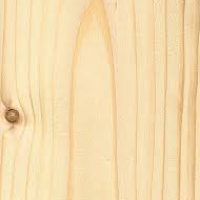
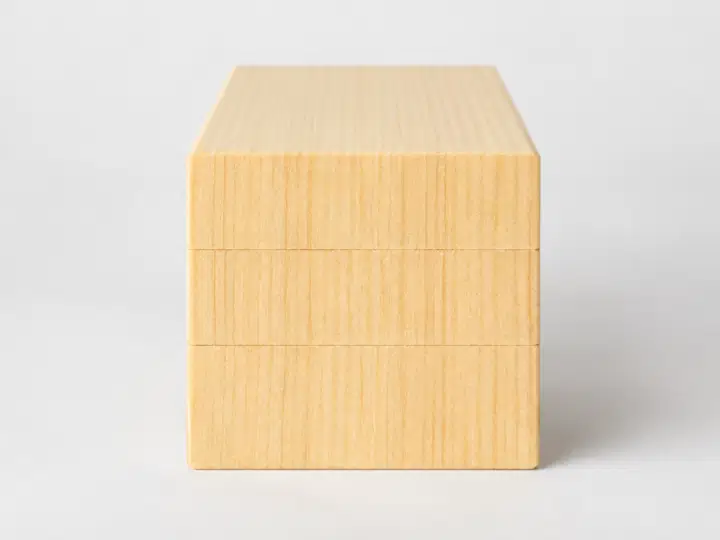
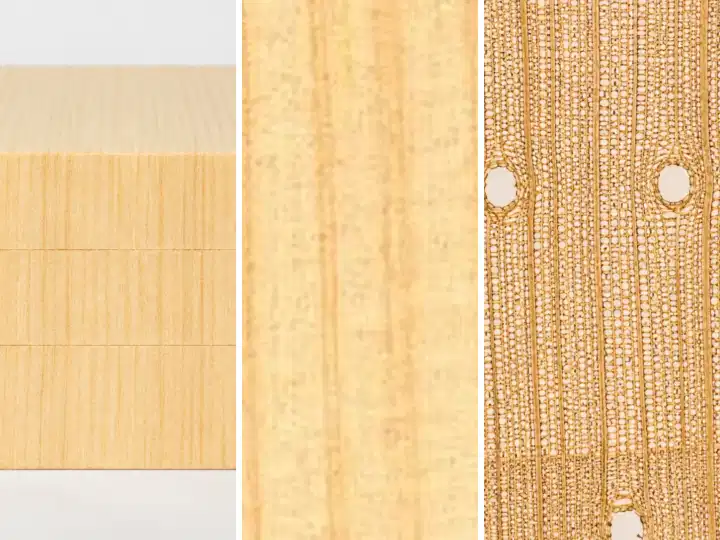
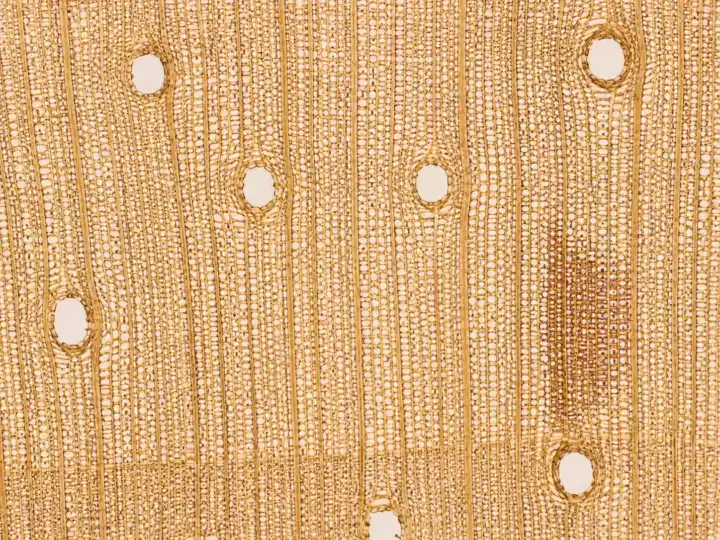
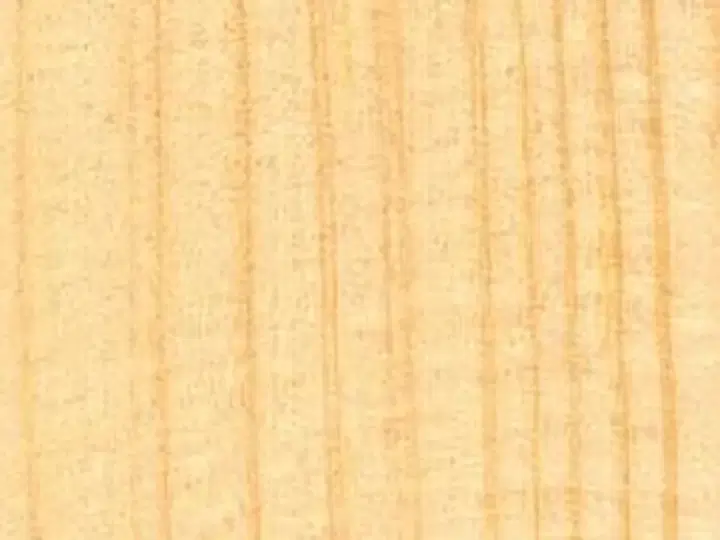
Off‑white with a subtle yellow or light reddish‑brown tint. The characteristic spiral grain is visible during processing but disappears under the finished surface. Narrow annual rings give a uniform appearance free of large knots. Under opaque RAL paint the coverage is perfect; under translucent stains the tone is light and elegant – honest wood, not a spectacle.
Availability & SM WOOD Execution
Key Details
Price depends on the series, dimensions, and finish – request a free quotation. For B2B projects, we supply complete PHPP data (Uf, Uw, Ug, g‑value, psi‑spacer) on request.