Ash Wood Windows – The Hardest European Wood in our Range
European ash (Fraxinus excelsior) is the paradox of our range: the highest Janka hardness among the European species in our range – 6,580 N Janka – yet with low natural durability (Class 4). Hardness does not imply rot resistance. Ash is ordered on request, with a longer lead time compared to softwoods or oak. It makes sense when extreme hardness and a straight creamy-white grain are specific requirements.
Density 680 kg/m³
Heavy & dense
Janka 6,580 N
Among the hardest European woods
λ ~0.16 W/m·K
Thermal conductivity
Performance in Windows
Ash combines extreme hardness with a clean, straight grain – but the finish is essential.
1
Thermal
λ ~0.16 W/m·K – better than oak (0.18), weaker than softwoods (0.11‑0.13) and meranti (0.13 W/m·K). The Uf of the ash frame is calculated on request. For strict nZEB targets, softwoods remain thermally superior.
2
Hardness
6,580 N Janka – exceeds any other species in our standard range. For high‑traffic thresholds, frequently used sills and steps, ash offers the highest mechanical wear resistance available in European wood.
3
Finish
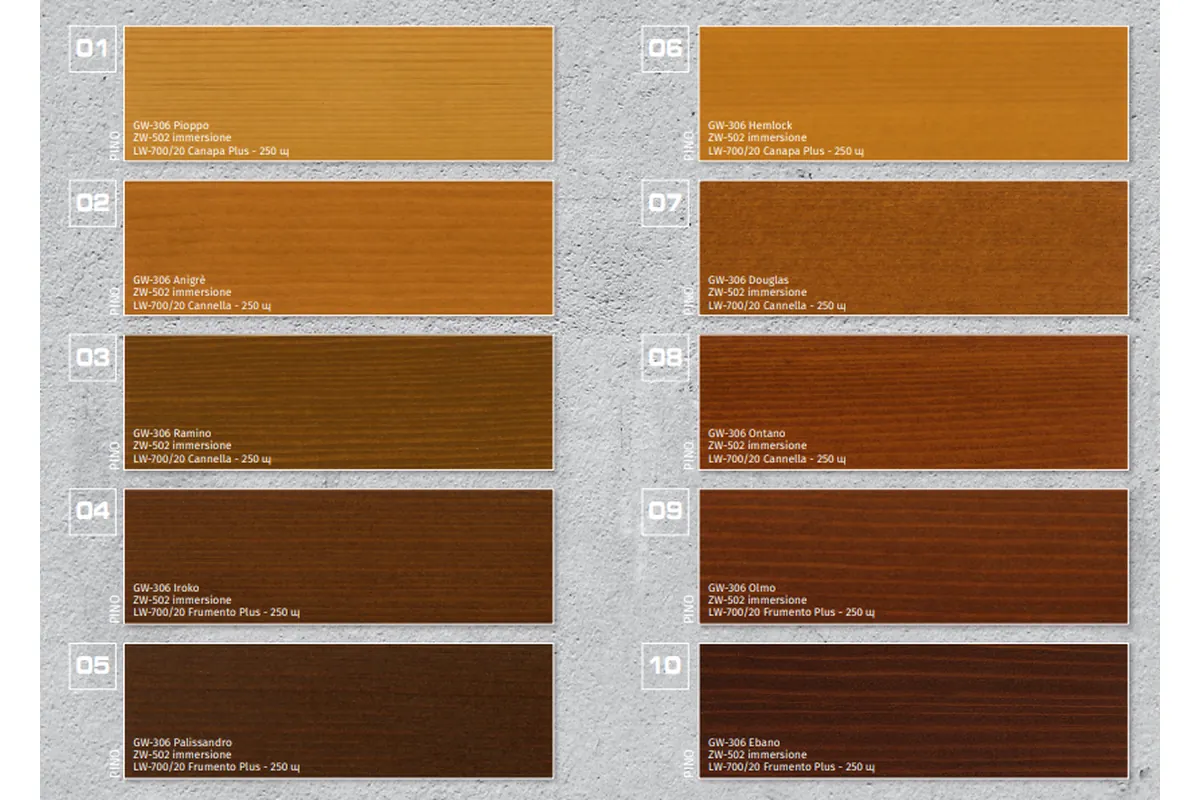
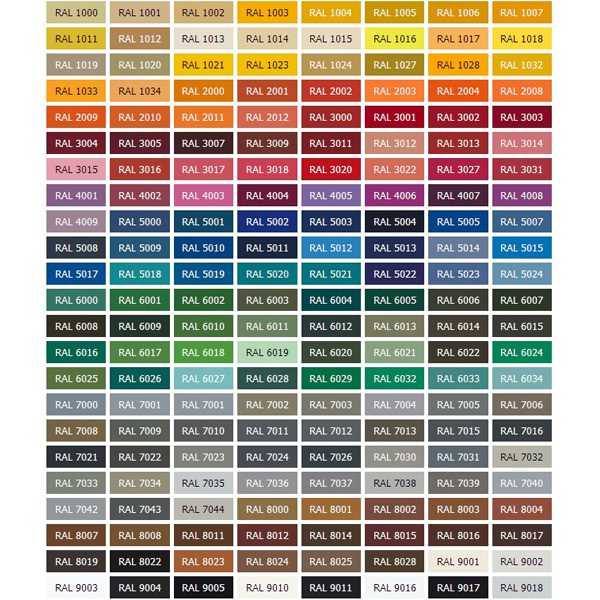
Ash takes translucent stains beautifully, with a clean creamy‑white to light brown tone. Dark heartwood stripes (“Olive Ash”) add character. Under opaque RAL, it is identical to any other wood.
Performance Over Time
Ash’s low natural durability must be actively managed, but with correct finishing it lasts decades.
Natural Durability
Class 4 – poorly durable without treatment, identical to spruce. Without protection, ash degrades quickly outdoors. The Remmers industrial finish transforms this vulnerability into a controlled, durable surface.
Maintenance
With at least 4 layers of Remmers factory finish: cleaning and reapplying a protective coat at 10 years, without full stripping. Ash is durability Class 4, so its service life is set by the finish and by keeping to the maintenance schedule rather than by the wood itself.
Humidity Sensitivity
Volumetric shrinkage 15.3% – ash moves more than oak or meranti with humidity changes. Lamination in 3+ layers and industrial finishing control this tendency.
Ash responds well to steam bending – the straight, regular grain allows controlled deformation without cracking. This is an advantage for curved profiles or decorative elements, though not typically required for standard windows.
Advantages of Ash
Advantages
Disadvantages
Comparison with Other Essences
Where ash stands against the main European and tropical alternatives.
Ash vs Oak
Ash wins on hardness (6,580 vs 4,980 N) and slightly on thermal (λ 0.16 vs 0.18). Oak wins decisively on natural durability (Class 2 vs 4) and dimensional stability (radial shrinkage 4.7% vs 5.7%). Ash is made to order; oak is in stock.
Ash vs Meranti
Meranti (λ 0.13) is thermally superior. Ash wins on hardness (6,580 vs 2,460 N). Dark Red Meranti (Class 2-3) is more naturally durable than ash (Class 4). The choice for ash over meranti is exclusively when extreme hardness is required.
Ash vs Spruce
Spruce wins on thermal (λ 0.11 vs 0.16), cost, lead time, and natural durability (both Class 4). Ash wins on hardness (6,580 vs 1,680 N). For standard windows, spruce is the thermal and economic choice; ash only makes sense when hardness is a specific requirement.
Appearance and Colour
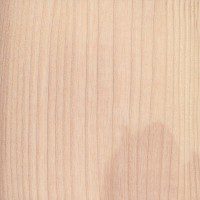
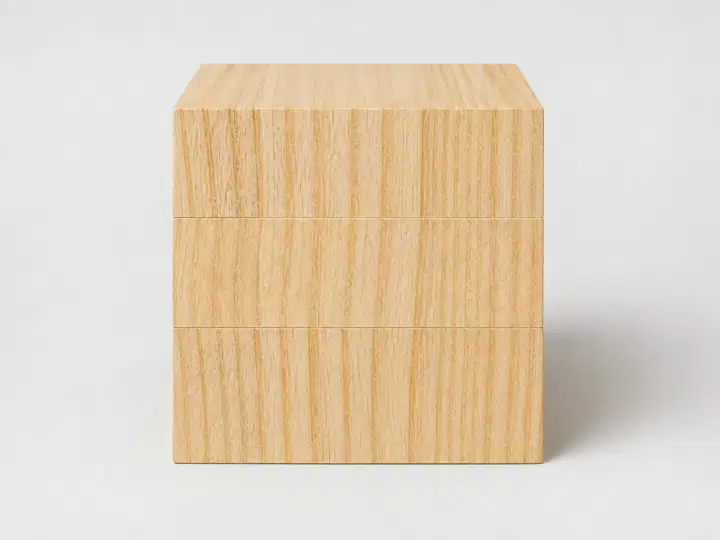
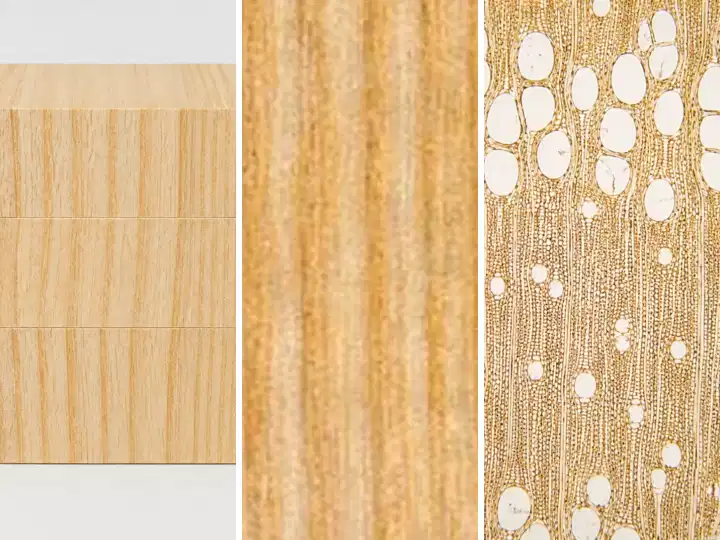
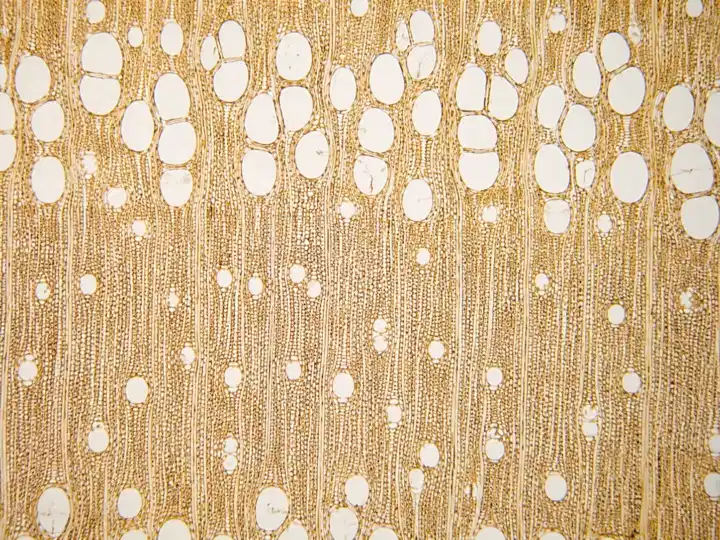
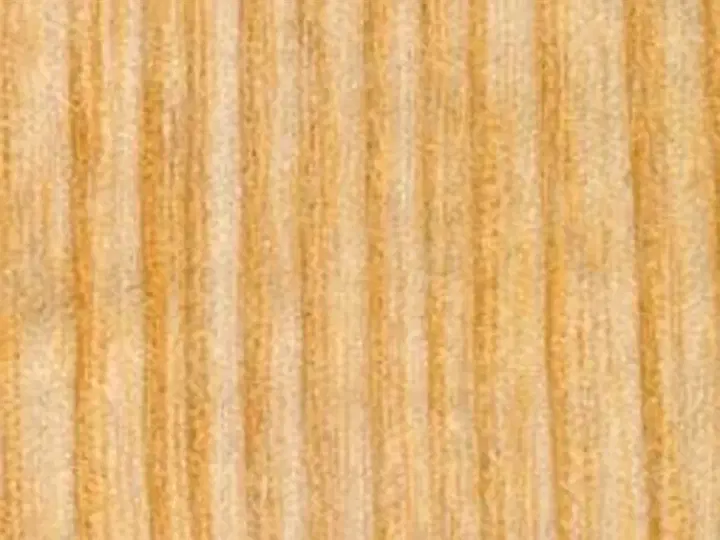
Heartwood is light to medium brown, sometimes with olive or darker stripes (sold as “Olive Ash”). Sapwood is beige to light brown, not always sharply defined. The grain is straight and regular with a medium to coarse texture. Under translucent stains it shows a warm beige-brown tone, uniform and discreet, without the dramatic grain of oak or the redness of meranti. Under opaque RAL paint it is visually identical to any other wood.
Availability & SM WOOD Execution
Key Details
Price varies with profile, opening size and configuration – request a free quotation. For B2B projects, Ud, Uf, Ug and PHPP data are provided on request.